Featured
Recognizing Transitions: Understanding physical and mental changes in patients, emphasizing early discussions and long-term care planning.
Symptom Management: Learning to manage symptoms like pain, shortness of breath, and nausea with both drug-based and non-drug-based techniques.
Psychosocial and Spiritual Care: Providing mental and spiritual support to patients and families, using effective communication techniques and considering sociocultural viewpoints.
Comprehensive Care: Offering care beyond medical needs, focusing on psychological, spiritual, and physical aspects, and promoting proactive dialogue and support for patients and families.
Lessons
Brief Decsription of End of Life Care
This course is particularly designed for those people who are interested in or engaged in matters relating to death, dying, bereavement, palliative and end of life care.
Module 1: End of life care
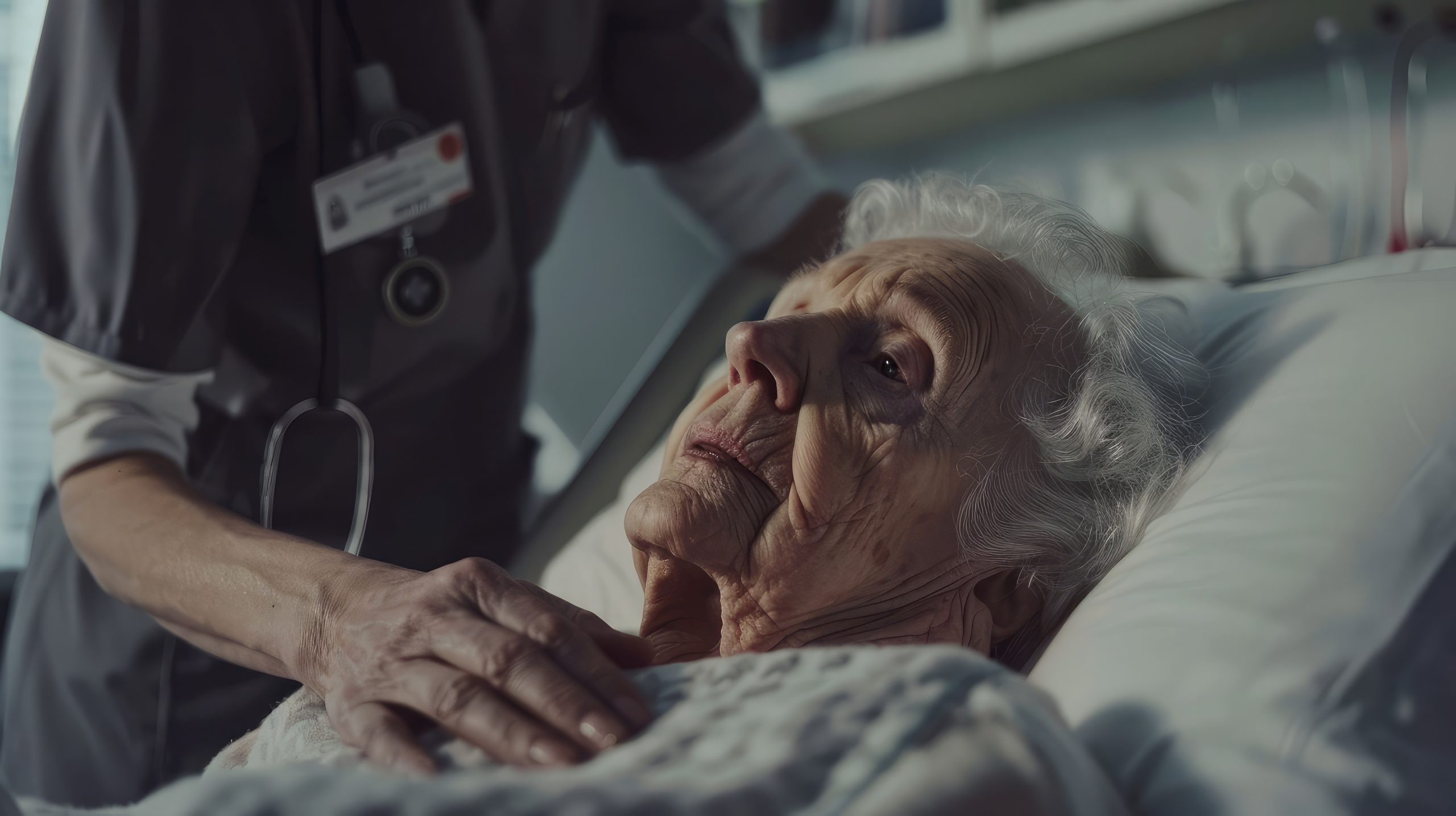
End of life and palliative care aims to support you if you have a life-limiting disease. The focus of this type of care is managing symptoms and providing comfort and support including help with emotional and mental health, spiritual and social requirements.
Module 2: Emotions and Feelings
Emotions are inherent to human condition and a range of feelings arrive from the person at the end of their life. The main challenge is for those people who are relative, friend or carer of that individual to fight with chronic illness.
Module 3: Patterns of Dying
The quality of a person dying is in many ways as important as their quality of life. According to frog rat (2001) the nature of multiple and chronic health problems such as many aged people experience over a period of time makes it difficult to define when someone can actually be said to be dying.
Module 4: The dying process
Each experience is different at the end of life. Death can come suddenly, or a person may linger in a near-death state for days, weeks, or even months. It is not always easy to know when a person is dying predominantly if they are weak and their condition is worsening slowly.
Module 5: Support and Aftercare
It is widely recognized that family members are often central to care of people with advanced illness. During the illness period and after death, care and support should be provided to patients as well as their family members.